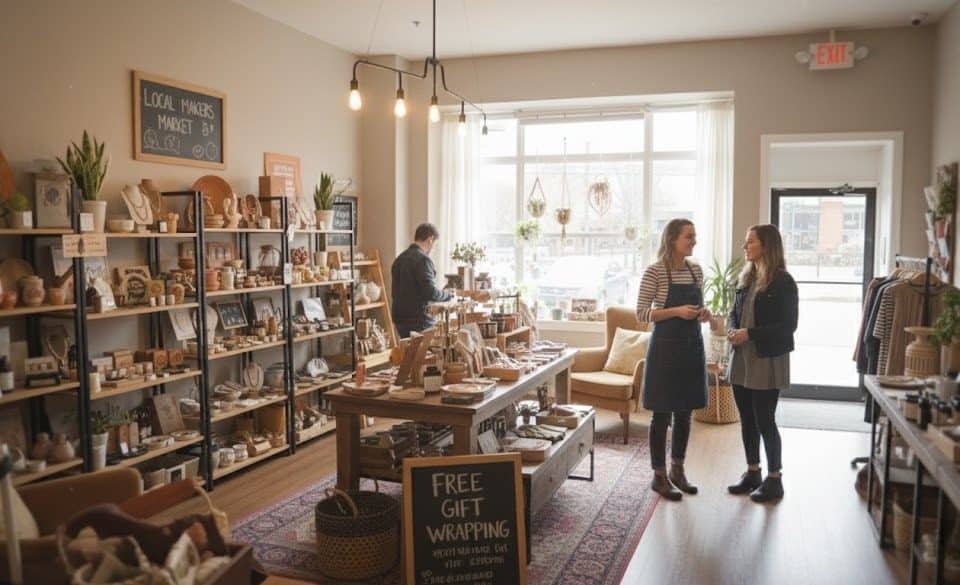
In 2026, small retail stores face an uphill battle against e-commerce giants like Amazon. With convenience, fast shipping, and massive product selection at Amazon’s fingertips, it can seem nearly impossible for independent stores to thrive. However, small retailers still have unique advantages that Amazon cannot replicate. Personalized service, community engagement, curated products, and local marketing strategies allow small businesses to compete effectively and even flourish in the modern retail landscape.
This article explores practical strategies that independent retailers can implement in 2026 to stay competitive and relevant in a market dominated by online giants.
Understanding the Retail Landscape in 2026
The retail industry has undergone a dramatic transformation over the past decade. Online marketplaces, social media, and AI-driven shopping experiences have reshaped customer expectations. In 2026, the competition is not just about price—it’s about experience, authenticity, and convenience. Small stores that fail to adapt risk becoming obsolete, but those that embrace innovation and focus on their unique strengths can carve out a loyal customer base.
Key trends shaping small retail success in 2026 include:
- Omnichannel Shopping: Customers expect seamless integration between online and offline experiences.
- Personalization: AI tools and customer data allow businesses to offer tailored recommendations.
- Community-Oriented Retail: Local stores can create emotional connections with their customers.
- Sustainable and Ethical Shopping: Consumers increasingly prioritize eco-friendly and socially responsible businesses.
Offer Personalized Service That Amazon Can’t Match
One of the greatest advantages small stores have over e-commerce giants is the human touch. Personalized service creates loyalty and repeat customers, something algorithms cannot fully replicate.
Train Staff to Provide Expert Advice
Small stores can differentiate themselves by offering knowledgeable, attentive staff who can help customers make informed decisions. In sectors like fashion, home goods, or specialty foods, expert advice can add tremendous value.
- Action Tip: Implement ongoing training programs that focus on product knowledge, customer service, and relationship building.
Leverage Customer Data for Personalization
While Amazon uses algorithms, small retailers can combine human insight with data to offer more meaningful recommendations.
- Action Tip: Keep detailed records of customer purchases and preferences to tailor suggestions, promotions, and loyalty rewards.
Build a Strong Community Presence
Community engagement is a cornerstone of small business success. Unlike Amazon, which operates globally, local stores can create meaningful connections with their neighborhoods.
Host Local Events
From product launches and workshops to seasonal festivals, hosting events brings customers into the store and fosters community loyalty.
- Example: A local bookstore might host author meet-and-greets, or a boutique could run styling workshops.
Support Local Causes
Partnering with local charities or sponsoring community initiatives positions your store as a socially responsible, caring business.
- SEO Tip: Highlight your community involvement on your website and local listings to boost local search relevance.
Create a Loyalty Program With Community Rewards
Reward customers not just for purchases but for engaging with local events, volunteering, or referring friends. This strengthens community ties and encourages repeat visits.
Offer Experiential Retail
Amazon dominates convenience, but small stores can win by creating experiences that cannot be replicated online.
Interactive Store Layouts
Design your store so that customers can interact with products—touch, test, or customize items in-store.
- Example: Electronics stores can allow customers to try gadgets before buying.
Immersive Experiences
Integrate sensory experiences like live demonstrations, tastings, or workshops. These experiences make shopping memorable and encourage word-of-mouth promotion.
- Action Tip: Use in-store QR codes to link experiences to your online presence, blending digital and physical retail.
Social Media Integration
Create Instagram-worthy corners or unique displays that encourage social sharing. Social media exposure amplifies your store’s reach far beyond your local market.
- SEO Benefit: Sharing user-generated content can boost organic search visibility and online engagement.
Curate Unique Products
Amazon offers everything, but small stores can compete by offering carefully curated, exclusive products that reflect their brand identity.
Source Local or Artisan Products
Unique products from local artisans or small-scale producers appeal to customers seeking authenticity.
- Example: Specialty food stores, craft shops, and boutiques thrive by featuring local talent.
Limited-Edition Collections
Limited runs create urgency and excitement, giving customers a reason to choose your store over a massive online retailer.
Personalization Options
Offer customizations that Amazon cannot match, from monogrammed items to tailor-made products. Personal touches enhance perceived value and customer loyalty.
Master Local SEO
While Amazon dominates online retail, local search gives small stores an advantage. Optimizing your online presence ensures that nearby customers can find you quickly.
Optimize Google Business Profile
Your Google Business Profile (formerly Google My Business) is crucial for local visibility. Include accurate address, hours, photos, and up-to-date promotions.
- SEO Tip: Encourage satisfied customers to leave reviews, as high ratings improve search ranking and trust.
Local Keywords and Content Marketing
Use keywords that reflect your city or neighborhood alongside product or service keywords.
- Example: “Handmade candles in Austin” instead of just “handmade candles.”
- Content Tip: Publish blog posts, guides, or tips related to your products to increase organic traffic.
Leverage Local Partnerships
Collaborate with other local businesses for cross-promotions. Linking to other reputable sites in your community boosts your SEO and builds credibility.
Embrace Technology Without Losing the Personal Touch
Technology doesn’t have to be the enemy—it can help small stores compete with Amazon by improving convenience and operational efficiency.
Offer Buy Online, Pick Up In-Store (BOPIS)
Customers enjoy online convenience but still want the immediate satisfaction of in-store pickup.
- Action Tip: Combine BOPIS with personalized in-store service to strengthen relationships.
Use AI for Inventory and Recommendations
AI tools can help predict trends, optimize inventory, and suggest products to customers based on past purchases, without replacing human connection.
Mobile-Friendly Experience
Ensure your website is mobile-optimized, as most local shoppers use smartphones to search for nearby stores.
Small Stores Thriving in 2026
- The Artisan Boutique
Located in a small town, this boutique emphasizes curated products from local artists and immersive shopping experiences. By hosting monthly craft workshops and integrating local SEO, it has doubled foot traffic despite Amazon’s dominance. - Neighborhood Grocery Co-op
This co-op thrives by sourcing products from local farms and offering personalized delivery services. Their community events and loyalty program foster customer loyalty that Amazon cannot replicate. - Tech Haven Electronics
Specializing in high-end electronics, this store allows hands-on testing, in-store demonstrations, and AI-driven product recommendations. Customers choose it over Amazon for the expertise and personalized advice they can’t find online.
Conclusion
While Amazon’s reach and convenience are unmatched, small retail stores can compete—and even thrive—by leveraging strategies that emphasize personalization, community, experience, and uniqueness. By combining local SEO, curated products, engaging events, and technology, independent retailers in 2026 can build loyal customer bases that value more than just a low price.
The key takeaway: small stores cannot win on everything, but they can dominate where Amazon cannot—human connection, trust, and memorable experiences.